 blog
7 Things to Know Before Choosing an American Frontline Alternative for Retail
Last Updated: October 30, 2026
Quick Summary
The best american frontline alternative for retail is a licensed provider that matches your store's actual scope: confirm licensing, retail-specific training, named supervision, and sample incident reports before you sign. Compare every quote on the same hours and supervision level, and check contract exit terms, because a low hourly rate often hides thin supervision and high turnover.
- Confirm state licensing, insurance certificates, and retail-specific training before signing any contract.
- Ask for the bill rate and scheduled hours separately so you can normalize competing quotes.
- Walk your store with a security assessment checklist covering entry points, camera blind spots, and incident logs.
- Get post orders and incident logs from the incumbent before switching providers.
- Check minimum hours, escalation clauses, and termination notice to avoid lock-in penalties.
Table of Contents
- Why Retailers Look for an American Frontline Alternative
- What Retail Security Guard Duties Actually Cover
- How to Choose a Retail Security Company Without Guessing
- Retail Security Guard Cost: What Drives the Quote
- A Retail Security Assessment Checklist for Your Store
- Comparing Retail Security Alternatives: What to Weigh Side by Side
- Request a Retail Security Quote and Walk-Through
- Frequently Asked Questions
Why Retailers Look for an American Frontline Alternative
Retailers start shopping for an American Frontline alternative for retail when the current guard contract stops matching the store. Shifts get missed. Guards rotate weekly. Reports arrive late or never. The invoice keeps climbing while incidents stay flat.
Store managers and property managers often describe the same frustrations with their current security coverage. They don't want a bigger contract. They want coverage they can count on and a team that knows the floor plan.
Below, we'll show you exactly how to evaluate an American Frontline alternative for retail, from duties and pricing to a walk-through checklist you can run this week. The goal is simple: fewer surprises, fewer losses, and a security partner who shows up.
What Retail Security Guard Duties Actually Cover
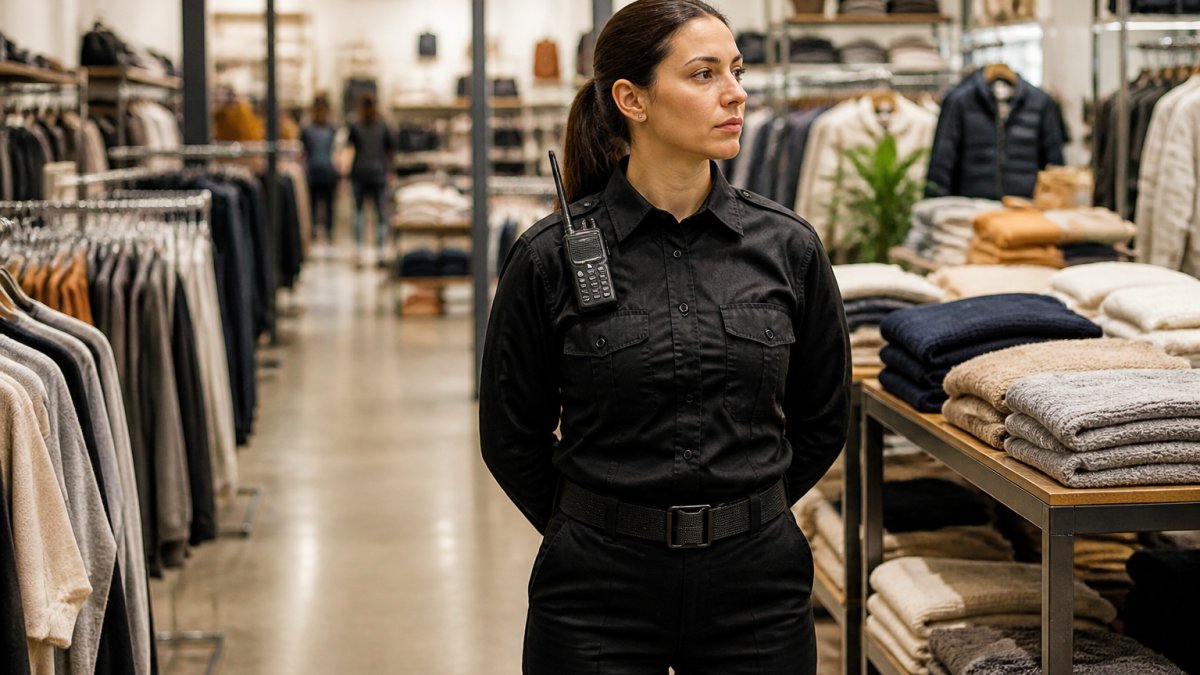
Retail security guard duties cover far more than standing near the door. A well-run post handles deterrence, observation, documentation, and escalation. The guard is the visible layer of a loss prevention program, not the whole program.
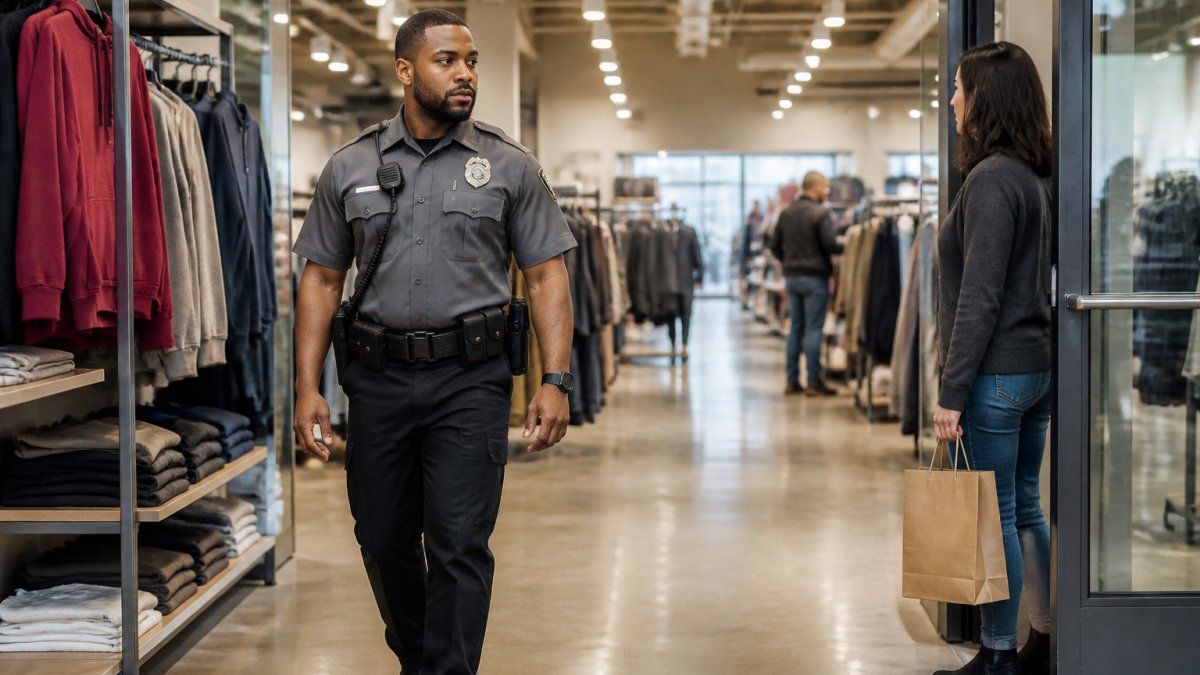
Here's what a typical retail post includes:
- Visible patrols through high-shrink aisles, fitting rooms, and stockrooms
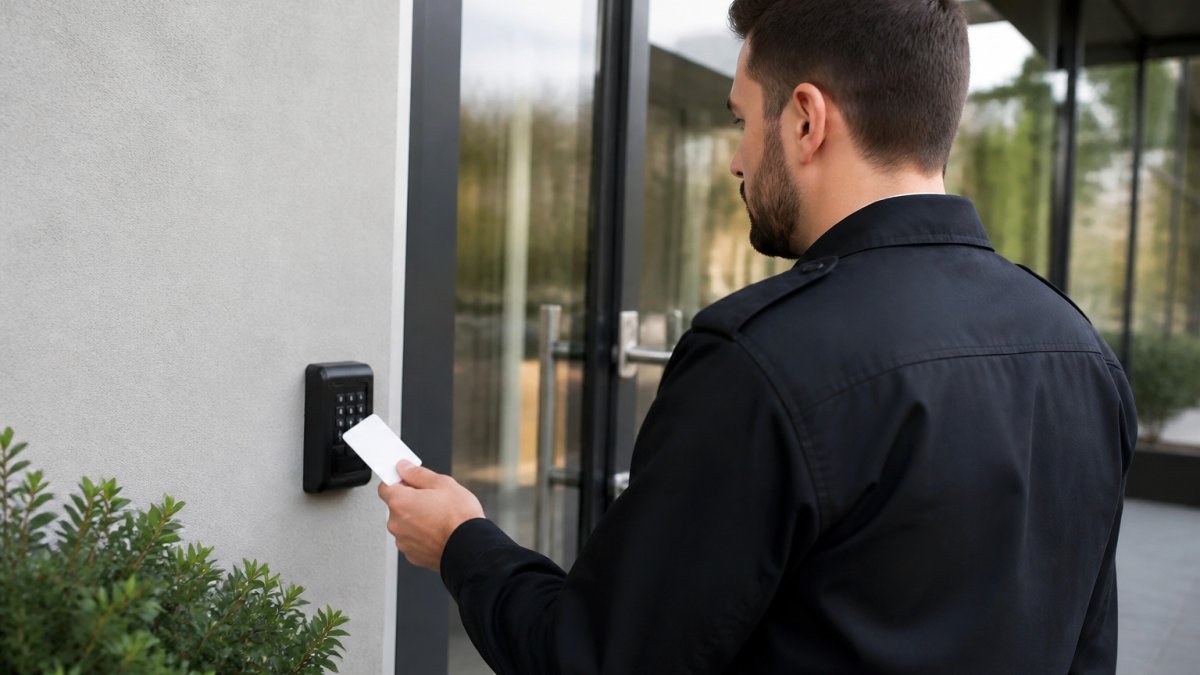
- Access control at employee entrances and receiving docks
- Incident reports with time stamps, camera references, and witness notes
- De-escalation before a situation turns into a liability
- Coordination with store management and local police
Documentation matters as much as presence. A clean, consistent report can serve as evidence for insurance claims, employee disputes, and police follow-up.
How to Choose a Retail Security Company Without Guessing
Choosing a retail security company starts with three questions: Who is licensed, who is trained, and who answers the phone at 2 a.m.? Get clear answers on all three before you sign anything.
A common mistake is judging a provider by the sales pitch instead of the post. Ask to see the training curriculum, the supervision schedule, and a sample incident report. If the company hesitates, that tells you something.
Run this short screen:
- Confirm state licensing and insurance certificates
- Ask how guards are trained for retail, not just general guarding
- Ask who supervises the site and how often
- Request two references from stores of similar size
- Read the contract for termination terms and coverage guarantees
A low hourly rate can sometimes hide thin supervision and high turnover.
Retail Security Guard Cost: What Drives the Quote
Retail security guard cost depends on hours, coverage model, site risk, and supervision level. Pricing depends on these factors, so request a written quote for your specific site. Visit our website for current pricing or to request a quote.
The main cost drivers:
| Cost Driver | What It Changes | Why It Matters |
|---|---|---|
| Hours covered | Part-time vs. 24/7 | Overnight and weekend shifts price differently |
| Site risk level | Patrol frequency | High-shrink stores need more presence |
| Supervision | On-site vs. remote | Direct supervision raises cost but cuts gaps |
| Technology | Cameras, access control | Integration adds setup and monitoring |
| Contract length | Short-term vs. annual | Longer terms can lower the rate but lock you in |
How a Guard Quote Is Actually Built
Most providers price a post as a bill rate multiplied by scheduled hours, then add supervision, payroll burden, insurance, and margin. Ask for the bill rate and the scheduled hours separately. If a provider will only quote a lump monthly figure, you cannot tell whether you are paying for coverage or for overhead.
When you compare two quotes, normalize them to the same hours and the same supervision level before you look at the bottom line.
Contract Terms That Change the Real Cost
- Minimum hours and call-off rules. Many contracts set a minimum shift length or a cancellation window. A short-notice call-off may still bill at the full rate.
- Escalation clauses. Annual increases are common. Ask for the cap and the notice period in writing.
- Termination and notice. Look for the notice period and any early-termination fee. A month-to-month addendum is easier to exit than an annual lock-in.
- Insurance and indemnification. Ask the provider to confirm its insurance coverage and whether it will name your business as an additional insured.
- Overtime and holiday rates. These are often billed at a premium. Get the multipliers in the scope, not in a verbal promise.
A low hourly rate often hides thin supervision and high turnover. You pay for that gap in shrink, staff frustration, and re-training costs. Compare total cost of ownership, not the headline rate.
Total Cost of Ownership, Not Just the Rate
Add up the bill rate, supervision fees, technology setup, training time for your managers, and the cost of coverage gaps. A post that goes dark on a Saturday night costs more in losses than the savings from a cheaper rate. Ask every provider for a written scope that matches the quote line by line. If a line item is vague, ask what it covers. You will learn more from that answer than from the rate itself.
Contact us Today for a Quote →
Request the bill rate, scheduled hours, supervision model, and contract terms in writing. Normalize every quote to the same scope before you compare price.
A Retail Security Assessment Checklist for Your Store
A retail security assessment checklist can turn a vague feeling of "we need better security" into a scoped request. Walk your store with this list and note what's missing.
- Entry and exit points counted and mapped
- Camera coverage checked for blind spots in aisles and stockrooms
- Employee entrance and receiving dock access controlled
- High-shrink categories identified and positioned near staff
- Incident log reviewed for repeat patterns by day and hour
- Current guard post orders reviewed and updated
- Emergency contacts and escalation steps posted
- Insurance carrier requirements noted for security documentation
This checklist gives a prospective provider a clear picture of your needs and gives you a fair basis to compare quotes.
Comparing Retail Security Alternatives: What to Weigh Side by Side
Comparing retail security alternatives comes down to fit, not features on a brochure. Two providers can offer the same "24/7 coverage" line and deliver very different results.
First, Define What You Are Replacing
"American Frontline" is used loosely in retail. Before you compare alternatives, confirm what the incumbent actually provides: a guard force, a monitoring service, a staffing supplier, or a software platform. The evaluation criteria change with the category. If the incumbent supplies guards, compare coverage, supervision, and reporting. If it supplies monitoring or software, compare integrations, data export, and support response times. Write down the category and the scope you are replacing so every alternative is judged on the same basis.
The Comparison Frame
Use this frame when you shortlist:
| What to Compare | Question to Ask | Red Flag |
|---|---|---|
| Licensing | Are guards licensed in this state? | Vague or verbal answers |
| Training | Is retail-specific training included? | General guarding only |
| Supervision | Who checks the post, and how often? | No named supervisor |
| Reporting | Can I see a sample incident report? | Reports promised but not shown |
| Coverage | How are call-offs and gaps handled? | No backup plan |
| Contract | What are the exit terms? | Long lock-in with penalties |
| Data and records | Can I export incident logs and post orders? | No export path |
Fit by Store Type and Business Size
- Single storefront. Prioritize a named supervisor, a clear call-off plan, and a simple month-to-month contract. You do not need a large account team.
- Multi-site retail. Prioritize consistent post orders across locations, centralized reporting, and a single account manager who can escalate.
- High-shrink categories. Prioritize patrol frequency in high-risk aisles, fitting room coverage, and coordination with local police.
- Omnichannel operations. If you run buy-online-pickup-in-store or curbside, confirm the provider covers receiving docks and pickup areas, not just the sales floor.
Migration and Data Portability Checklist
Switching providers is a project, not a phone call. Run this checklist before you sign:
- Obtain a copy of current post orders and incident logs from the incumbent
- Confirm the new provider can accept your existing report format or export to one you can read
- Schedule a joint walk-through with outgoing and incoming supervisors
- Set a training date for store managers on the new escalation steps
- Confirm the start date, the overlap period, and who covers gaps during transition
- Verify insurance certificates and additional-insured status before the first shift
Ask every shortlisted provider for a sample incident report and a sample post order.
Coverage, supervision, and clean records matter as much as the hourly rate. A cheaper post that goes dark on a Saturday night can cost more than the savings.
Best for: store managers who need dependable coverage and clear reporting. Skip if: you only want a warm body at the door with no accountability.
Request a Retail Security Quote and Walk-Through
The most reliable way to evaluate a security provider is an in-person review of your site. Ask any provider you consider to visit your store and scope the post before you compare quotes.
Tactical Guard Services is a professionally licensed security service offering 24/7 on-site operation. Contact us for information about our coverage options for your property.
Contact us today for a quote. Visit our website to learn more about how we can help you assess your coverage needs.
Frequently Asked Questions
What services should a retail security provider offer?
A retail security provider should cover on-site guard presence, visible patrols, access control, incident reporting, and coordination with store management. Ask whether guards are licensed and trained for retail environments, whether coverage runs 24/7, and how incidents are documented. For stores in high-traffic areas, loss prevention patrols and deterrence at entrances matter as much as response after an incident. Get the scope in writing before signing.
How do retailers compare security guard companies fairly?
Compare on licensing, training standards, coverage guarantees, contract terms, and what is included in the quoted rate. Ask each provider for a sample incident report, their response protocol, and references from stores of similar size. Retail security guard cost varies with hours, site risk, and whether guards are armed or unarmed, so compare total monthly cost for the same scope rather than hourly rates alone.
Can security guards help prevent theft in retail stores?
Visible, trained guards deter theft by their presence at entrances and on the floor, and they can intervene within policy limits when incidents occur. Prevention works best when guards are paired with clear store procedures, camera coverage, and staff training. Ask providers how they handle shoplifting, whether guards are unarmed by default, and how they document incidents for law enforcement and insurance purposes.
Are armed or unarmed guards better for retail stores?
Most retail environments are better served by unarmed guards, because the goal is deterrence and safe incident handling rather than confrontation. Armed guards suit high-risk sites such as cash-heavy operations or locations with a history of violent incidents. Discuss the risk profile of your store with your provider and confirm the guard's licensing matches the role. The choice affects retail security guard cost, so factor it into your budget comparison.
Your store deserves coverage that holds up on the busiest night of the week. Tactical Guard Services offers licensed guards, round-the-clock on-site operation, and pricing built around what your site actually needs. Get started with Tactical Guard Services and put a security plan in place you can verify, not just hope for.