 how-to
Preventing Theft in Retail Stores: 7 Proven Tactics
Table of Contents
- Why Retail Theft Prevention Starts With a Realistic Risk Assessment
- Shoplifting Prevention Tips for Retailers: Staff Training and Presence
- Store Layout and Visibility: Designing Out Blind Spots
- Anti-Theft Devices for Retail Stores: EAS, Tags, and Cameras
- Employee Theft Prevention in Retail: Controls That Actually Work
- Retail Store Security Guard Services: When to Bring in Professionals
- Measuring Prevention Effectiveness and Building a Prioritized Plan
- Frequently Asked Questions
Last Updated: October 18, 2026
Why Retail Theft Prevention Starts With a Realistic Risk Assessment
Preventing theft in retail stores begins with knowing where your money actually disappears. Most owners assume shoplifting is the whole problem. It rarely is.
Retail loss prevention is the practice of reducing inventory shrinkage from all sources, not just theft. That means shoplifting, employee theft, vendor fraud, and plain paperwork errors.
Inventory shrinkage is the gap between what your records say you own and what is physically on the shelf. It is the number that matters, and it comes from four places:
- Shoplifting by customers
- Employee theft and internal theft
- Vendor and delivery fraud
A common mistake is blaming everything on customers. In practice, a store with tight front-end controls often finds its losses sit behind the counter, not in the aisles.
Shoplifting Prevention Tips for Retailers: Staff Training and Presence
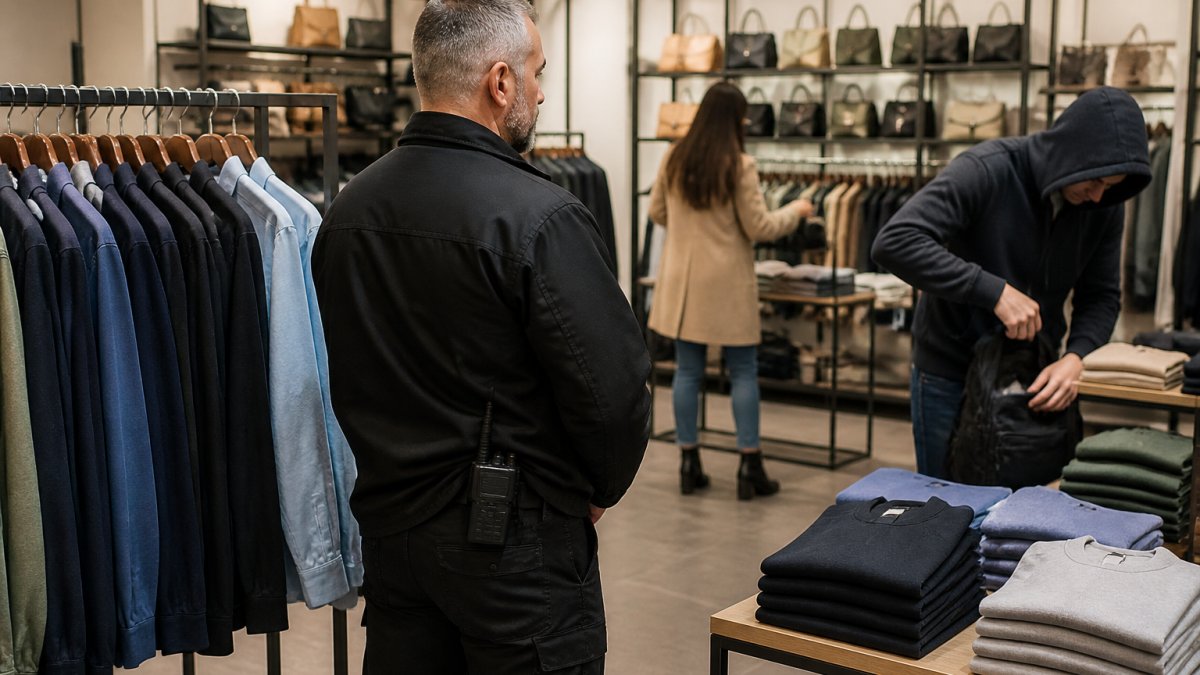
Shoplifting prevention tips for retailers work best when staff are trained and visible. A clerk who greets every customer at the door deters more theft than a camera nobody watches.
Customer service is your cheapest theft prevention tool. Staff presence in the aisles makes a thief nervous. Eye contact and a simple "let me know if you need help" signals that someone is paying attention.
What a Real Training Program Covers
A one-hour orientation is not training. Build a program that repeats quarterly and covers five distinct competencies:
- Greeting and approach. Every person who enters is acknowledged within a few seconds. Staff practice offering help in high-value aisles without hovering.
- Behavioral awareness. Teach the difference between nervous behavior and suspicious behavior. Groups who split up and linger, shoppers who avoid eye contact while scanning the ceiling for cameras, and people carrying oversized bags or strollers into tight aisles are patterns worth noting, but a single pattern is not proof, and staff should never act on appearance.
- Observation and documentation. Staff learn what to write down: time, description, location, what was taken if known, and whether a vehicle was involved. Incident reports should be filed the same shift, not the next day.
The Profiling Trap
A common and costly mistake is letting "awareness" turn into selective surveillance. Training should explicitly address this: staff watch behavior, not people. Following customers based on race, age, dress, or perceived income exposes the store to discrimination claims and civil rights liability, and it is also bad loss prevention because it distracts attention from actual patterns. Build the habit of documenting behavior, not describing people, in incident reports.
Presence as a System, Not a Personality
Relying on naturally attentive employees is not a strategy. Schedule coverage so that high-theft aisles are visited on a rotation, not just when someone happens to walk by. Pair staff during busy periods so no one is alone on an unsupervised register. Put a name and a time on the aisle-check log. When presence is scheduled and recorded, it survives staff turnover, and turnover is where most prevention programs quietly die.
Reinforce, Don't Just Train
Retraining once a year is the minimum. Short weekly huddles, five minutes on one behavior, one recent incident, one reminder, keep awareness from fading. Recognize staff who file good reports, not just staff who catch thieves. The goal is a team that knows what suspicious behavior looks like, knows what to do about it, and knows what not to do.
Store Layout and Visibility: Designing Out Blind Spots
Store layout and visibility can remove theft opportunities before they exist. Open sightlines and clear aisles do more than any single device.

Walk your floor like a thief would. Find the corners where a person can stand unseen. Those are your blind spots, and they are where losses cluster.
Fix them with store design:
- Lower shelving in high-theft aisles
- Keep checkout in clear view of the sales floor
- Use angled security mirrors at corners
A simple rule: if you cannot see a shopper from the register, neither can your staff. Rearrange until you can.
Merchandise Placement and High-Theft Items
Merchandise placement is where layout meets loss prevention. High-value merchandise and frequently stolen items belong where eyes are, not where they are hidden.
Move small, expensive items near the register. Lock up the most-targeted goods. Keep a written list of frequently stolen items and review it monthly.
Anti-Theft Devices for Retail Stores: EAS, Tags, and Cameras
Anti-theft devices for retail stores add deterrence, but they only work when staff respond to them. A camera that nobody monitors is just decoration.
Here is how the main tools compare:
| Device | Best For | Main Limitation |
|---|---|---|
| Security cameras | Deterrence and incident records | Useless without monitoring |
| EAS tags and alarms | Apparel, packaged goods | Requires staff response |
| Security mirrors | Small stores, tight budgets | Passive only |
| Locking cases | High-value items | Slows down sales |
Electronic article surveillance, or EAS, uses security tags that trigger an alarm at the door. RFID tags go further and track inventory as well as deter theft. Bottom-of-basket cameras catch items hidden in carts. Choose based on what you are losing, not on what looks impressive.
Employee Theft Prevention in Retail: Controls That Actually Work
Employee theft prevention in retail comes down to controls, not trust. Internal theft hides in the gaps between what your systems record and what actually happens.
Contact us Today for a Quote →
Point-of-sale controls catch the most common schemes. Require manager approval for voids, refunds, and no-sale drawer opens. Review those reports weekly.
Other controls that work:
- Rotate who closes the register
- Separate the person who receives stock from the person who counts it
- Run regular stock audits on high-risk items
Checkout security matters too. A single clerk on an unsupervised register is a quiet loss point.
Retail Store Security Guard Services: When to Bring in Professionals
Retail store security guard services make sense when losses outpace what training and layout can fix. A guard adds visible deterrence and a trained response to incidents.
Bring in professionals when you see:
- Repeat incidents in the same location
- Organized retail crime hitting nearby stores
- High-traffic periods your staff cannot cover
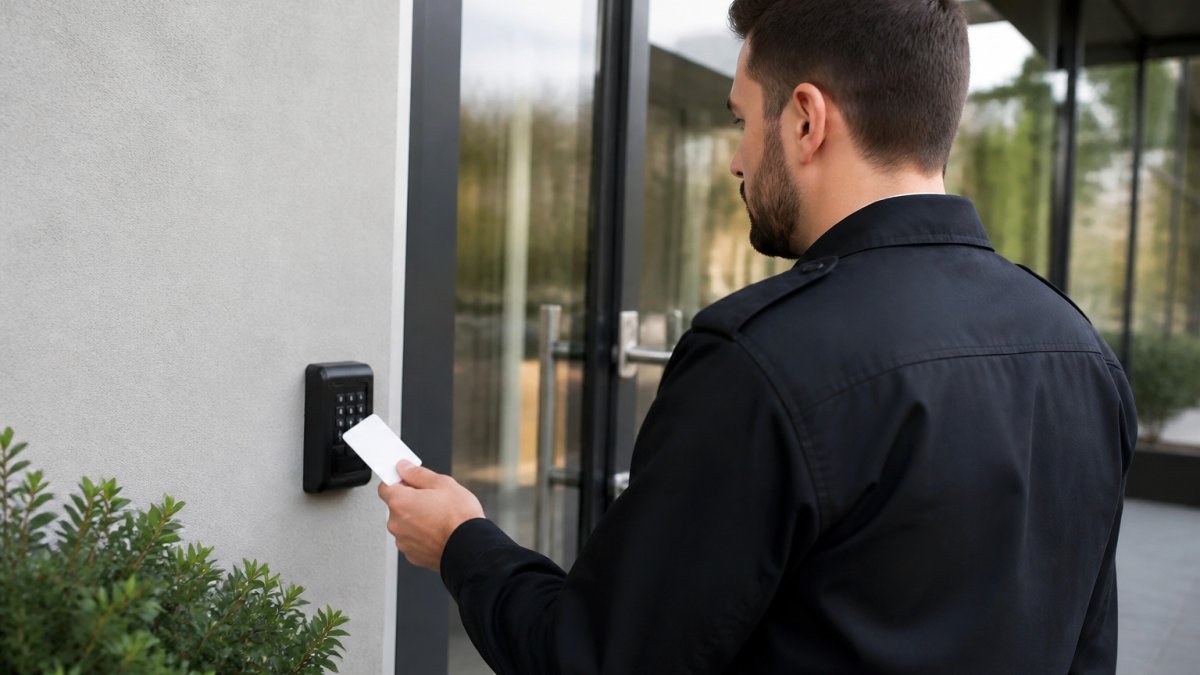
A licensed guard service does more than walk the floor. Good providers handle access control, incident reporting, and monitoring.
At Tactical Guard Services, our guards are professionally licensed and on site around the clock.
Measuring Prevention Effectiveness and Building a Prioritized Plan
Measuring prevention effectiveness tells you whether your spending is working. Most retailers install cameras, feel safer, and never check whether the shrink number moved. That is how prevention budgets get cut, not because the measures failed, but because no one proved they worked.
The Numbers That Actually Matter
Start with a small dashboard and update it monthly:
- Shrink rate as a percentage of sales. Calculate it as (recorded inventory value minus physical count value) divided by sales for the period. Track it by department, not just store-wide, because store-wide averages hide the aisle that is bleeding.
- Inventory variance at each stock audit. Count your highest-risk SKUs on a fixed schedule, weekly for the top ten, monthly for the rest of the high-theft list, and compare to point-of-sale records.
- Incident reports per month, broken out by type: shoplifting, internal, vendor, and unknown.
Build the Plan by Budget and Risk Level
A prioritized plan should spend first on free fixes, then on devices, and it should branch by store size and risk. A practical sequence:
- Free fixes first (weeks 1-2). Walk the floor and map blind spots. Train staff on greetings, observation, and the no-chase response protocol. Rearrange high-theft merchandise into sightlines. None of this costs inventory dollars.
- Low-cost additions (weeks 3-4). Add signage, mirrors, and aisle-check logs. Post camera notices where recording occurs.
- Targeted devices (month 2). Install cameras and EAS where the data says losses are worst, not store-wide on day one. Locking cases for the most-targeted SKUs.
- Review and adjust (month 3 and quarterly). Compare shrink rate and incident data to baseline. Cut what did not move the number; double down on what did.
For a small store with a tight budget, steps 1 and 2 often deliver most of the deterrence. For a larger store or one facing organized retail crime, the device tier and professional guard coverage move earlier in the sequence.
Legal, Privacy, and Employee-Rights Considerations
Legal and privacy rules limit what you can do, and ignoring them creates bigger problems than theft. Camera placement, footage retention, employee searches, and detention all carry liability if handled carelessly. Follow FTC guidance on privacy and data practices when handling customer information and video footage, and check your state's rules on recording, detention, and employee searches before writing policy.
Keep these rules in mind:
- Camera placement and notice. Record in areas where customers and employees have no reasonable expectation of privacy, never in fitting rooms, restrooms, or locker areas. Post clear signage where cameras record.
- Footage retention. Keep video only as long as you have a stated business reason, and store it securely. Uncontrolled footage is a liability, not an asset.
- Detention and searches. Never detain a suspect unless your state law and training allow it. Employee bag checks and locker searches require a written policy communicated in advance.
Organized Retail Crime and Coordinated Incidents
Repeat and group theft does not respond to the same tactics as an individual shoplifter. When incidents cluster, the same crew hitting nearby stores, groups working in coordination, or a pattern of grab-and-run, shift from deterrence to evidence preservation. Keep incident reports consistent so patterns are visible, preserve video before it overwrites, and coordinate with law enforcement and any local retail or industry loss-prevention group.
Online and Omnichannel Loss Points
Prevention does not stop at the door. Buy-online-pick-up-in-store, returns, delivery handoffs, and self-checkout are modern loss points that many traditional guides ignore. Tighten return controls with receipt and ID checks, reconcile pick-up orders against what leaves the store, and review self-checkout transaction data for patterns. The same dashboard discipline applies: measure, compare to baseline, and adjust.
Frequently Asked Questions
What are some effective strategies for preventing shoplifting?
Start with visible staff presence and greeting every customer at the door, which alone deters many opportunistic shoplifters. Keep high-value and frequently stolen items in locked cases or near the checkout. Add electronic article surveillance tags to merchandise, install cameras covering entrances and blind spots, and use anti-theft signage. Train employees to watch for common shoplifting behaviors like bulky clothing, groups splitting up, and bottom-of-basket concealment. Layering these retail theft prevention tactics works better than relying on any single measure.
What are the best anti-theft devices for retail stores?
Electronic article surveillance (EAS) systems with tags or labels remain the most widely used anti-theft devices for retail stores, and they work best when paired with alarm pedestals at entrances. Security cameras with clear coverage of entrances, checkout lanes, and high-value aisles are essential. Add security mirrors for blind corners, locked display cases for expensive items, and bottom-of-basket cameras at checkout. RFID tags help with both theft prevention and inventory tracking. Match the device to your risk: a small shop may only need cameras, mirrors, and EAS, while larger stores benefit from full camera monitoring.
How can retailers prevent employee theft and inventory shrink?
Employee theft prevention in retail depends on controls, not suspicion. Separate duties so the person handling cash is not the same person reconciling sales. Run regular stock audits and compare them against point-of-sale records to spot inventory variance early. Restrict back-door access, require bag checks under a written policy, and review void and refund transactions. Train managers to watch for warning signs without accusing staff. A clear, consistently enforced policy paired with inventory tracking software catches most internal theft before it becomes a pattern.
When should a retail store hire security guards?
Consider retail store security guard services when you have repeat theft incidents, a high-traffic location, or organized retail crime targeting your merchandise. Guards also help during peak seasons, after a break-in, or when staff feel unsafe confronting shoplifters. A professional guard provides visible deterrence, monitors cameras, and handles incidents with de-escalation training instead of putting employees at risk. For smaller stores, a guard during peak hours may be enough; larger or higher-risk locations often need 24/7 coverage. Get a quote based on your store size and traffic.
Theft will not disappear on its own, and guessing at fixes wastes money. Tactical Guard Services helps retail managers build a real loss prevention plan with professionally licensed guards, 24/7 on-site coverage, and affordable pricing that fits a small store's budget. Contact us today for a quote and start protecting your store with a plan built around your actual losses.